Gu Kaizhi
Introduction
Gu Kaizhi (c. 345–406) was an influential Chinese painter and is considered one of the most prominent figures in the history of Chinese art. He lived during the Eastern Jin Dynasty (317-420) and is renowned for his contributions to the development of figure painting. His work has had a lasting impact on the artistic traditions of China and continues to be celebrated for its technical brilliance and expressive depth.
Life and Career
Gu Kaizhi was born in Wuxi, a city in what is today Jiangsu province, China. Little is known about his early life, but he is recorded as having held official posts in the Jin Dynasty administration. Gu was not only skilled in painting but also recognized for his literary contributions, as he wrote several treatises on art and painting that outlined his theories and philosophies on the subject.
Paintings and Style
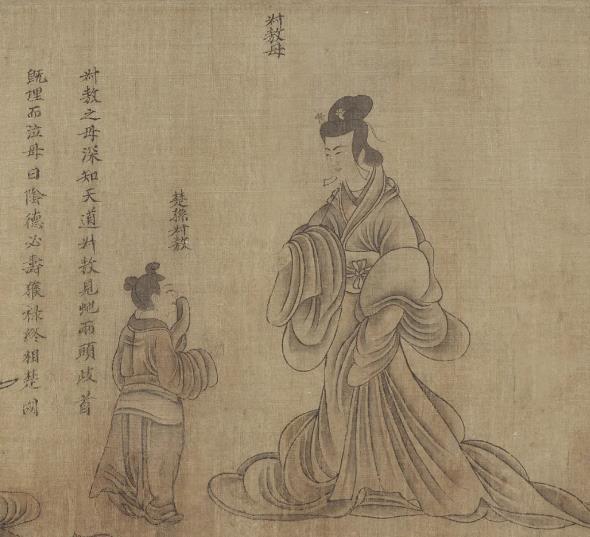
Gu Kaizhi is best known for three surviving paintings: "Nymph of the Luo River," "Admonitions of the Instructress to the Court Ladies," and "Wise and Benevolent Women." Although the original works have been lost, their impact is preserved through copies and reproductions that have been created over the centuries. His works are characterized by detailed and expressive brushwork, particularly evident in the portrayal of figures and their clothing.
"Admonitions of the Instructress to the Court Ladies"
This painting is attributed to Gu Kaizhi and is considered a significant piece in the history of Chinese art. The original scroll illustrates a poem by Zhang Hua, which advised court ladies on proper conduct and morals. The British Museum houses a version of this painting, which is considered a close copy of Gu's style. The scroll originally had 12 scenes, but only nine survive in the British Museum's copy. Scholars regard it as an important reference point for understanding early Chinese painting and its development.
"Nymph of the Luo River"
"Nymph of the Luo River" is another acclaimed work by Gu Kaizhi, inspired by a poetic prose by Cao Zhi from the Three Kingdoms Period (220-280). The painting depicts the story of the poet's encounter with the river nymph, capturing both the romance and the sense of longing inherent in the narrative. Like his other works, the original has not survived; however, a Song Dynasty monochrome facsimile offers insight into Gu's artistic vision.
Artistic Impact and Legacy
Gu Kaizhi is celebrated for his unique painting style and his contributions to Chinese art theory. His emphasis on conveying spirit through form and his delicate brush techniques were revolutionary for his time and have influenced generations of artists. His attention to detail and ability to capture psychological depth in his portrayals of figures established a foundation for future developments in Chinese figure painting.
The legacy of Gu Kaizhi extends beyond his paintings, as his writings on art theory provided guidance and inspiration for later artists. His works continue to be studied and appreciated for their artistic and historical significance.
Collections and Exhibitions
Many museums and institutions around the world recognize Gu Kaizhi's influence on Chinese art history. The British Museum's "Admonitions of the Instructress to the Court Ladies" is one of the most notable exhibitions of his work. Other facsimiles of his paintings are housed in various collections, such as the Palace Museum in Beijing, which provides a glimpse into the artistic achievements of the Eastern Jin Dynasty.
The Liaoning Provincial Museum and the Palace Museum in Beijing are among the institutions that hold significant facsimiles and related works, contributing to the ongoing study and appreciation of Gu Kaizhi's contributions to Chinese art.








